Washington, D.C. operates a comprehensive public transportation system managed by the Washington Metropolitan Area Transit Authority (WMATA). The Metro system consists of six rail lines identified by colors: Red, Blue, Orange, Yellow, Green, and Silver.
These lines connect major destinations including the National Mall, Smithsonian Institution museums, and residential neighborhoods throughout the metropolitan area. The system facilitates transfers between lines at designated stations. The Metrobus network operates alongside the rail system, serving areas not covered by Metro lines.
Bus routes extend to neighborhoods beyond the reach of rail service, with most routes running from early morning through late evening. Select routes provide 24-hour service. Real-time tracking applications provide schedule information and arrival predictions for both Metro and bus services.
The Capital Bikeshare program operates bike-sharing stations throughout the city, offering short-term bicycle rentals. Stations are located near Metro stops, major attractions, and residential areas. The integrated transportation network of rail, bus, and bike-sharing services provides multiple options for travel within Washington, D.C.
and surrounding areas.
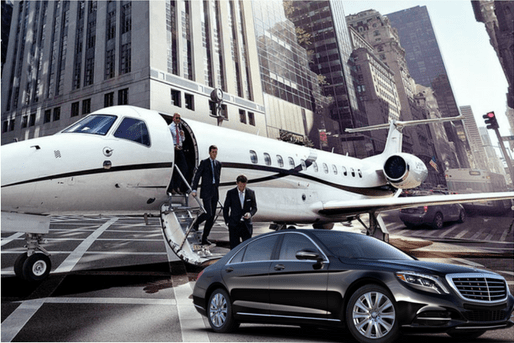
Skip transfers and tight schedules. Rent a limo service for direct, on-time travel across D.C.
Key Takeaways
- Washington DC offers diverse public transportation options including Metro and buses.
- Walking and biking are popular and convenient ways to explore the city.
- Ride-sharing services provide flexible and easy travel around DC.
- Renting a car is ideal for convenience and exploring areas outside the city center.
- Tour buses and water taxis offer unique sightseeing experiences for visitors.
Walking and Biking in the City
Walking in Washington DC is not just a means of getting from point A to point B; it is an experience that immerses individuals in the city’s rich history and vibrant culture. The city is designed with pedestrians in mind, featuring wide sidewalks and numerous crosswalks that facilitate safe navigation. Iconic landmarks such as the Lincoln Memorial, the White House, and the U.S.
Capitol are all within walking distance of each other, making it easy for visitors to explore on foot. The National Mall, a sprawling green space lined with monuments and memorials, invites leisurely strolls while offering opportunities for reflection and appreciation of American history. Biking is another popular mode of transportation in D.C., thanks in part to its relatively flat terrain and dedicated bike lanes.
The Capital Bikeshare program has made cycling accessible to both locals and tourists alike, with thousands of bikes available for rent at various stations throughout the city. Riders can easily pick up a bike at one location and return it at another, making it a flexible option for those looking to cover more ground than walking allows. Additionally, the city has invested in expanding its network of bike lanes and trails, including the Anacostia Riverwalk Trail and the Metropolitan Branch Trail, which provide scenic routes for cyclists.
This commitment to promoting biking as a viable transportation option not only reduces traffic congestion but also contributes to a healthier lifestyle for residents. Find out Is a Limo Cheaper than Uber? and make the best choice for your next ride.
Using Ride-Sharing Services
In recent years, ride-sharing services like Uber and Lyft have transformed urban transportation dynamics in Washington D.C. These platforms offer a convenient alternative to traditional taxis, allowing users to summon a ride with just a few taps on their smartphones. The ease of use is one of the primary reasons for their popularity; riders can input their destination and receive an estimated fare before confirming their ride. This transparency helps users make informed decisions about their travel options while eliminating the uncertainty often associated with hailing a cab on the street.
Moreover, ride-sharing services provide flexibility that public transportation may not always offer. For instance, late-night outings or trips to less accessible areas can be easily managed through these apps. Additionally, ride-sharing can be particularly advantageous during inclement weather when waiting for public transport may be less appealing.
However, it is essential to consider factors such as surge pricing during peak hours or special events when using these services. Despite these considerations, ride-sharing remains a popular choice for many D.C. residents and visitors seeking convenience and efficiency in their travel plans.
Renting a Car for Convenience
While Washington D.C. has an extensive public transportation system, there are times when renting a car may be the most practical option for travelers. For those planning to explore areas outside the city or visit attractions that are not easily accessible via public transport—such as Mount Vernon or Great Falls National Park—having a rental car can provide significant advantages. Major rental companies operate at various locations throughout the city, including airports and downtown areas, making it easy for visitors to secure a vehicle upon arrival.
Renting a car also offers the freedom to create a personalized itinerary without being constrained by public transport schedules. This flexibility can be particularly beneficial for families or groups traveling together who may have different interests or destinations in mind. However, potential renters should be aware of parking regulations and costs within the city.
While some neighborhoods offer street parking, others may require payment at meters or in garages. Additionally, traffic congestion during peak hours can be challenging; thus, it is advisable to plan routes accordingly and consider alternative travel times when possible.
Taking a Tour Bus for Sightseeing
| Transportation Mode | Average Speed (mph) | Cost per Trip | Coverage Area | Convenience | Environmental Impact |
|---|---|---|---|---|---|
| Metro (Subway) | 20-30 | 2.00 – 6.00 | Extensive (DC + Suburbs) | High | Low |
| Bus | 10-15 | 2.00 | Citywide | Medium | Low |
| Biking | 10-15 | Free (if own bike) | Citywide (Bike lanes) | High | Very Low |
| Walking | 3-4 | Free | Downtown and nearby areas | High | None |
| Ride-Sharing (Uber/Lyft) | 15-25 | 10 – 30 | Citywide | High | Medium |
| Car Rental | 15-25 | 50+ per day | City + Surrounding Areas | Medium | High |
For those looking to absorb as much of Washington D.C.’s history and culture as possible in a short amount of time, taking a tour bus can be an excellent option. Numerous companies offer guided tours that cover major landmarks and attractions while providing informative commentary about each site’s significance. These tours often include hop-on-hop-off services that allow passengers to disembark at various points of interest before rejoining the tour later on.
This format provides flexibility while ensuring that travelers do not miss out on key sights. Tour buses typically operate on set routes that encompass popular destinations such as the National Mall, Georgetown, and various museums. Some tours even offer themed experiences—such as ghost tours or food tours—that cater to specific interests.
Additionally, many tour companies provide options for private charters or group bookings, making them suitable for everything from family outings to corporate events. While tour buses can be an efficient way to see the city, travelers should consider factors such as traffic patterns and peak tourist seasons when planning their excursions.
Using the Metro for Efficient Travel
The Washington Metro system stands out as one of the most efficient ways to navigate the city and its surrounding areas. With its extensive network of lines connecting key neighborhoods and attractions, it serves as a backbone for daily commuters and tourists alike. The Metro operates from early morning until midnight on weekdays and has extended hours on weekends, accommodating various schedules.
Riders can purchase SmarTrip cards for easy access to both Metro trains and buses, streamlining their travel experience. One of the significant advantages of using the Metro is its ability to bypass traffic congestion that often plagues D.C.’s roadways during peak hours. Trains arrive frequently—typically every few minutes during busy times—allowing passengers to minimize wait times and reach their destinations quickly.
Additionally, many Metro stations are strategically located near popular attractions such as museums and government buildings, making it easy for visitors to plan their itineraries around train stops. The system is also designed with accessibility in mind; most stations are equipped with elevators and ramps to accommodate individuals with disabilities.
Taking a Water Taxi for a Unique Experience
For those seeking a unique perspective of Washington D.C., taking a water taxi can provide an unforgettable experience while offering stunning views of the city’s skyline from the Potomac River. Water taxis operate between various points along the river, including Georgetown, National Harbor, and Alexandria, allowing passengers to enjoy scenic rides while avoiding road traffic altogether. This mode of transportation not only serves as a practical means of travel but also enhances sightseeing opportunities by providing access to waterfront attractions.
The water taxi experience is particularly enjoyable during pleasant weather when passengers can sit outside on deck and take in the sights as they glide along the river. Many operators offer narrated tours that highlight historical landmarks visible from the water, enriching the journey with context about D.C.’s rich maritime history. Additionally, water taxis often run special services during events such as fireworks displays or festivals along the waterfront, making them an attractive option for those looking to celebrate while enjoying a different vantage point of the city.
Utilizing Scooter and Bike Share Programs
In recent years, electric scooters have emerged as a popular mode of transportation in Washington D.C., complementing existing bike share programs like Capital Bikeshare. These scooters provide an efficient way to cover short distances quickly while offering riders an exhilarating experience navigating through city streets. Various companies operate scooter-sharing services throughout D.C., allowing users to locate and unlock scooters via mobile apps easily.
This convenience has made scooters particularly appealing for short trips or last-minute errands. The integration of scooter share programs with bike share initiatives reflects D.C.’s commitment to promoting sustainable transportation options that reduce reliance on cars. Both modes encourage active transportation while helping alleviate traffic congestion in busy urban areas.
Riders can find designated parking zones throughout the city where they can safely leave scooters after use, minimizing clutter on sidewalks and ensuring pedestrian safety. As cities continue to evolve in response to changing transportation needs, these innovative solutions play an essential role in shaping urban mobility in Washington D.C., providing residents and visitors alike with diverse options for getting around efficiently and sustainably.